


What Is Just Cause for Termination? Employee Rights and Legal Consequences
- Ethan Walker
- 2 days ago
- 8 min read


A senior accountant from Ahmedabad worked at the same chemicals company for almost twelve years. Steady promotions. Reliable appraisals. No major disciplinary history. Then, one vendor payment dispute surfaced during an internal audit. Within two weeks, management accused him of approving duplicate invoices worth nearly ₹9 lakh. His office access stopped immediately. Laptop collected. Company email disabled. Security escorted him out before most employees even understood what happened.
And the termination letter used one phrase repeatedly:
“Dismissed for just cause.”
The employee kept asking the same question afterwards:
“What exactly counts as just cause for termination?”
That question appears in labour disputes constantly now. Because many employers believe they can terminate employees immediately once suspicion arises. And many employees assume every dismissal automatically becomes illegal. Reality usually sits somewhere in the middle.
Just cause termination is one of the most misunderstood areas in employment law. Especially in India or Ontario, where workplace procedures often remain informal, HR systems are inconsistent and internal investigations become rushed once management pressure increases. That is where legal trouble usually begins.
Guest Post from Our Guest Writer
Articles of Interests:
What Is Just Cause for Termination?
Just cause for termination refers to legally valid reasons allowing employers to dismiss employees because of serious misconduct, breach of trust, workplace violations, or behaviour making continued employment difficult. Usually, employers attempt termination without notice pay, severance compensation, or extended exit benefits when they rely on just cause dismissal.
But proving just cause is rarely simple.
Suspicion alone usually does not become enough. Courts generally examine whether misconduct actually occurred, whether evidence supports allegations, whether company procedures were followed properly and whether employees received a fair opportunity to explain themselves before disciplinary action was taken.
And that last part quietly becomes extremely important during employment litigation.
Because judges often examine the process as closely as the misconduct itself.
Why Just Cause Termination Creates So Many Workplace Disputes

Most employment terminations happen emotionally.
That is the uncomfortable truth most companies never openly discuss.
Revenue pressure increases. Client complaints escalate. Senior management demands accountability. Internal politics get worse.
Then somebody becomes the easiest person to blame.
A Gurugram SaaS company once terminated a project manager after losing a major overseas client worth nearly ₹1.8 crore annually. Management blamed delayed delivery schedules and “gross negligence.” But internal email records later showed staffing shortages, delayed approvals from leadership and repeated warnings from the project team about unrealistic timelines.
The dispute eventually moved toward settlement discussions because commercial frustration does not automatically become legal justification.
And courts usually notice that difference very quickly.
Can an Employer Fire You for Just Cause Without Notice?

Yes. Under certain circumstances.
But not simply because management became angry, uncomfortable, or suspicious.
Termination without notice is generally attempted in serious misconduct cases involving fraud, theft, workplace violence,
sexual harassment, confidential information leaks, bribery allegations, forged records, or major compliance breaches.
Employers usually argue that trust has collapsed completely and the immediate continuation of employment has become impossible.
A Chennai logistics company once terminated a procurement executive after discovering suspicious vendor invoices linked to a relative’s GST registration. Internal audit reports allegedly showed inflated billing exceeding ₹14 lakh over several months. Termination happened immediately afterwards and forensic accounting reports later became central evidence during legal proceedings.
But many employers misuse immediate termination powers. Especially in smaller businesses where HR systems remain weak and internal procedures are poorly documented. That becomes dangerous once litigation begins.
Because labour courts generally expect employers to justify not only the dismissal itself but also the process leading to it.
Common Examples of Just Cause for Termination
Some forms of workplace misconduct are more likely to justify dismissal than others. Particularly where evidence becomes difficult to dispute and employer trust breaks down completely.
Financial Fraud and Misappropriation

Financial misconduct remains one of the strongest legal grounds for termination. Examples usually include fake vendor creation, payroll manipulation, reimbursement fraud, inventory diversion, duplicate invoice approvals, unauthorised fund transfers and fabricated procurement records.
A Surat textile trader reportedly terminated a finance supervisor after internal audit findings showed manipulated stock reconciliation entries over almost eighteen months. The dispute value crossed ₹27 lakh. Forensic accounting records, GST invoices and internal approval emails later became critical evidence.
Financial dishonesty damages employer trust permanently in most cases. And courts generally treat such allegations seriously when evidence appears credible and properly documented.
Workplace Harassment

Harassment allegations can also justify dismissal. But employers frequently mishandle these situations.
Some terminate employees before inquiry completion because management wants “quick action.” Others delay investigations entirely because senior staff are involved. Both approaches create serious legal exposure. Courts increasingly examine whether internal committees were properly constituted, whether inquiry procedures remained fair and whether findings were supported by evidence.
And once procedural irregularities appear, even strong cases become vulnerable.
Confidentiality Breaches and Data Theft

This category exploded after remote work became common across India’s IT and startup ecosystem.
Especially in SaaS businesses, fintech companies, consulting firms, healthcare technology companies and software development organisations, where confidential client information carries
enormous commercial value.
A Bengaluru developer allegedly downloaded client source code repositories just days before resignation. The employer later examined device access logs, USB activity, email forwarding history, cloud download records and Git repository activity. Digital forensic evidence became central during dispute discussions.
Employment litigation today increasingly depends on electronic evidence.
Especially white-collar disputes involving technology employees.
Repeated Workplace Misconduct
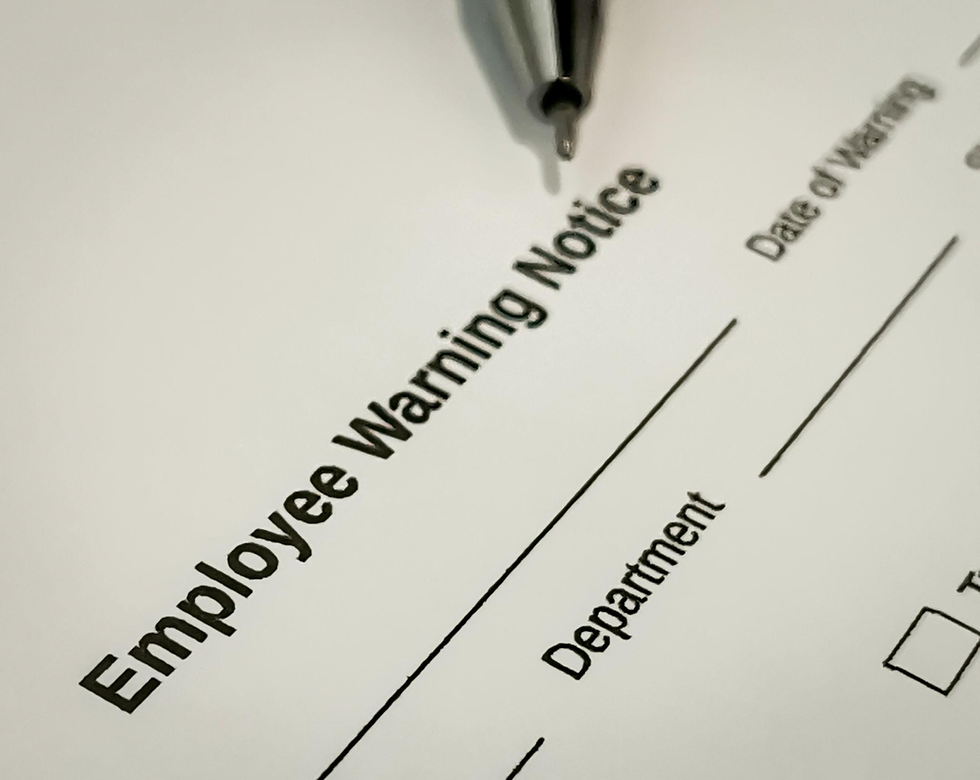
One isolated mistake may not justify dismissal.
Repeated misconduct sometimes does.
Examples often include chronic absenteeism, refusing lawful instructions, abusive communication, repeated compliance failures, policy violations, workplace aggression, or safety breaches. But documentation becomes everything in these cases.
A Delhi warehouse supervisor challenged dismissal successfully because management failed to produce earlier warning letters during the proceedings. The company verbally claimed that repeated misconduct had happened for nearly two years. Unfortunately for them, very little written evidence existed.
That weakened the employer’s defence significantly.
Is Poor Performance Enough for Just Cause Termination?
This creates confusion in almost every industry.
Many employers assume underperformance automatically justifies dismissal without compensation. Usually, it does not.
Courts often examine whether targets were realistic, whether expectations were properly communicated, whether performance reviews happened consistently, whether training support existed and whether employees received meaningful opportunities to improve.
A Pune fintech startup terminated a relationship manager for “continuous underperformance.” But internal records later showed sales territories changed repeatedly, targets increased aggressively every quarter and onboarding support remained incomplete for several months.
That complicated the employer’s defence badly.
Performance disputes are rarely straightforward because business realities themselves often become part of the problem.
Difference Between Just Cause Termination and Wrongful Dismissal

Employees regularly confuse these concepts because both involve termination disputes. But legally they are different.
Just cause termination refers to dismissal based on serious misconduct or legally defensible reasons. Employers generally attempt termination without notice pay or severance compensation when relying on this argument.
Wrongful dismissal, on the other hand, usually refers to termination violating employment contracts, labour protections, procedural fairness obligations, disciplinary procedures, or anti-discrimination principles.
And many disputes involve both arguments simultaneously.
One side argues serious misconduct happened.
The other argues the employer acted unfairly or violated procedure.
That tension sits at the centre of many employment lawsuits.
Employee Rights After Termination

Employees still retain legal rights even after dismissal.
A lot of workers assume termination letters automatically destroy all protections. Usually they do not.
Employees may still challenge unfair termination, dispute procedural irregularities, claim unpaid salary, access inquiry findings, seek labour remedies, negotiate settlements, or approach industrial tribunals depending on the nature of employment and applicable laws. In Ontario, under most circumstances, even just cause is established for termination, unless it satisfies the requirement under Ontario Regulation 288/01, employer still needs to pay out termination pay and severance pay under the Employment Standards Act.
Especially where dismissal damages professional reputation.
That reputational impact becomes devastating sometimes.
A terminated finance professional from Ahmedabad reportedly struggled for over a year securing another senior role after misconduct allegations circulated informally within industry circles even before courts reached final conclusions.
Employment disputes rarely remain confined inside office walls.
Domestic Inquiry Becomes Extremely Important

Indian employment disputes often revolve around one central question:
Was proper inquiry conducted?
This becomes critical during labour litigation.
A domestic inquiry generally involves issuing a show cause notice, explaining allegations clearly, sharing relevant evidence, allowing employee responses, conducting inquiry hearings, recording witness statements and documenting final findings before disciplinary action occurs.
If employers skip procedural fairness, even strong misconduct cases sometimes collapse later.
Especially before labour courts.
Because judges generally expect employers to prove employees received fair opportunity to defend themselves before severe disciplinary punishment was imposed.
Evidence Usually Decides the Entire Case

Employment disputes are rarely won through emotional arguments.
They are won through records.
Important evidence often includes CCTV footage, attendance logs, payroll data, HR warning letters, audit reports, laptop activity records, internal investigation reports, WhatsApp chats, biometric logs, access card records and email conversations.
Electronic evidence now matters enormously.
Especially after remote work expanded.
A surprising number of cases collapse because companies fail to preserve digital records properly or employees delete critical communication during panic.
And once evidence disappears, litigation becomes far more unpredictable.
Can Remote Employees Be Fired for Just Cause?

Absolutely, Remote work created entirely new forms of workplace misconduct disputes across India’s technology and services sectors.
Particularly involving moonlighting, fake attendance reporting, confidential data sharing, secondary employment conflicts, unauthorised outsourcing of work and misuse of company systems.
A Hyderabad SaaS employee allegedly worked simultaneously for competing startups during remote work hours. The company argued breach of trust and confidentiality obligations. The employee claimed remote flexibility policies never prohibited secondary consulting work.
Slack messages, meeting schedules, attendance records and device logs later became evidence.
Remote employment disputes are increasing rapidly now.
And many businesses still do not have clear policies governing these situations.
Legal Consequences of Just Cause Termination
Termination for cause creates serious legal consequences for both employers and employees.
Employees may lose severance benefits, face reputational damage, struggle securing future employment, experience emotional stress and spend years dealing with litigation consequences.
Employers face risk too.
Particularly where procedures become weak or inconsistent.
Wrongful dismissal claims, compensation liability, labour court proceedings, reputational damage, legal expenses and internal morale problems become very real possibilities once disputes escalate publicly.
And litigation costs rise quickly.
Especially in executive-level disputes involving senior professionals.
Why HR Documentation Quietly Becomes the Most Important Thing

Most companies underestimate documentation until disputes begin.
Then suddenly HR departments start searching desperately for warning letters, signed policies, appraisal reports, attendance records, inquiry findings and employee acknowledgements.
And many records simply do not exist.
Especially in fast-growing startups and family-run businesses where HR systems remain informal.
That weakens legal defence immediately.
Because verbal allegations rarely survive long once employment litigation begins.
Conclusion
What is just cause for termination?
Legally speaking, it usually means serious misconduct significant enough to justify dismissal.
But proving misconduct is where things become complicated.
Employers generally need valid legal grounds, reliable evidence, procedural fairness, proper inquiry and documented misconduct before termination decisions become defensible.
And once disputes enter litigation, small details start mattering enormously.
One vague allegation
One missing warning letter
One incomplete inquiry report
One badly drafted HR policy
Sometimes that changes the entire outcome.
Because employment disputes are rarely only about what happened.
They are about what can actually be proven later.
Don't fight in the dark. Contact the experienced employment lawyers at HTW Law today to protect your rights, your reputation, and your bottom line.
With the right legal support, employees can ensure their employment law rights are protected; employers can avoid lawsuits. |  |
Relevant Blog Posts:
 | As an employee, you don't have to fight the battle alone. Speaking with an employment lawyer who is familiar with the laws and regulations regarding defamation, discrimination, harassment, wrongful termination, and constructive dismissal, employment contracts and employment law in general will go a long way. If you are in doubt, it's essential that you reach out for help as soon as possible right away. |
Click here to contact HTW Law - Employment Lawyer for assistance and legal consultation.


Author bio:
Ethan Walker - Ethan Walker writes articles that keeps HR departments awake at night and gives employees a fighting chance. While other writers are drafting travel blogs or reviewing restaurants, Ethan is deep in the trenches, translating terrifying corporate jargon into something the average person can actually read without having a panic attack. He is a "Creative Strategist," "Synergy Consultant," and "Thought Leader"—which is a highly sophisticated way of saying no one, including his own mother, knows exactly what he does for a living. But he does it with incredible posture from a classy ergonomic standing desk.


